


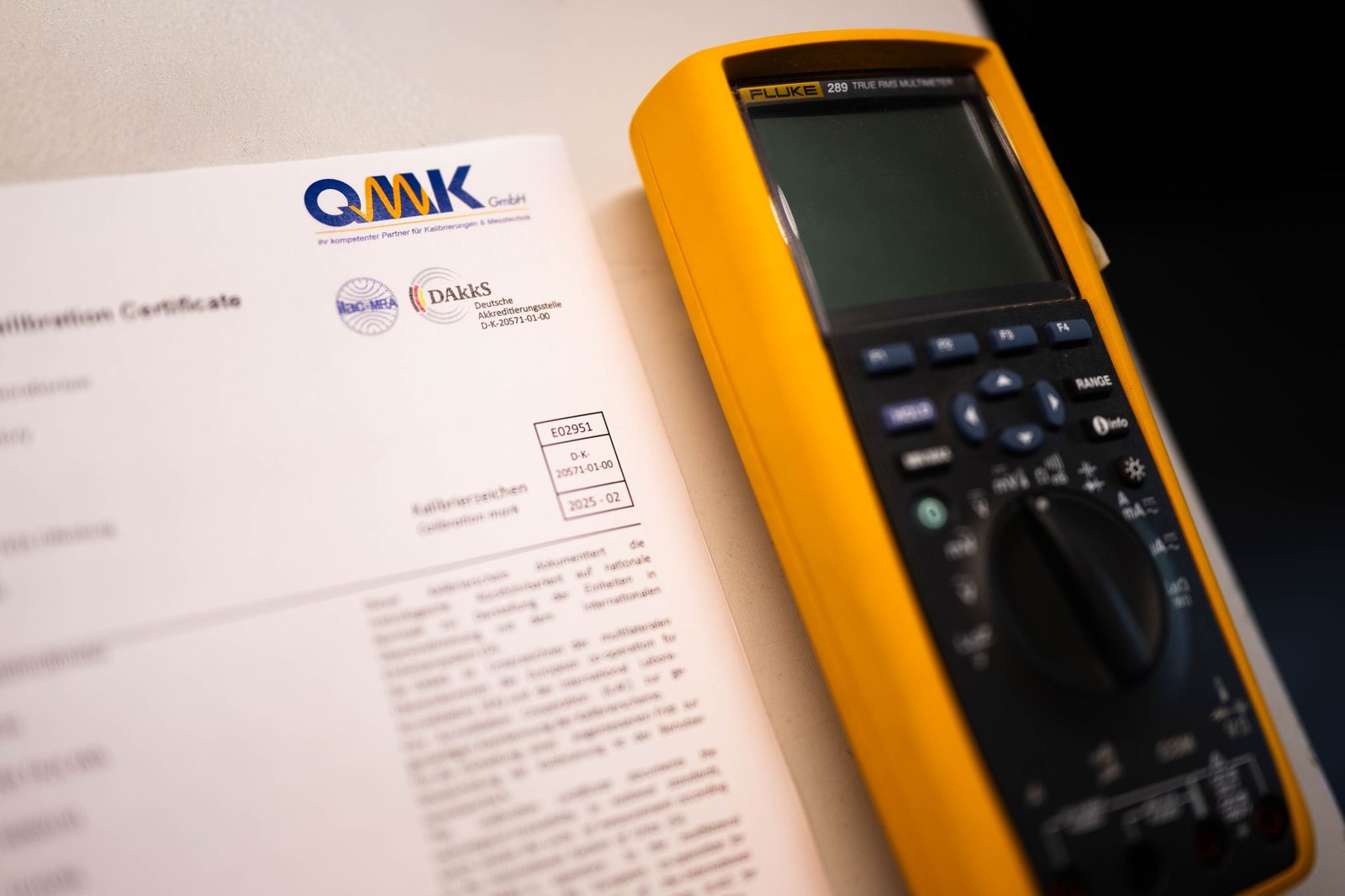
A multimeter always displays a number—even if it’s wrong. We explain why each measurement function of a digital multimeter must be calibrated individually, how we go about it, and what should be included in the calibration certificate.
Falko Kreißig

Calibrating a Dial Gauge: Body Heat, Measuring Force, and Flat Glass | #100 Measuring Instruments No. 3

With a micrometer, even the heat from your hand can skew the results. We’ll explain what a “micrometer” can do, which factors in the µm range matter, and how we calibrate micrometers using gauge blocks and flat glass.
Calibrating a Limit Gauge: Pass and Fail Sides, Wear, and Practical Application | #100 Measuring Equipment No. 2
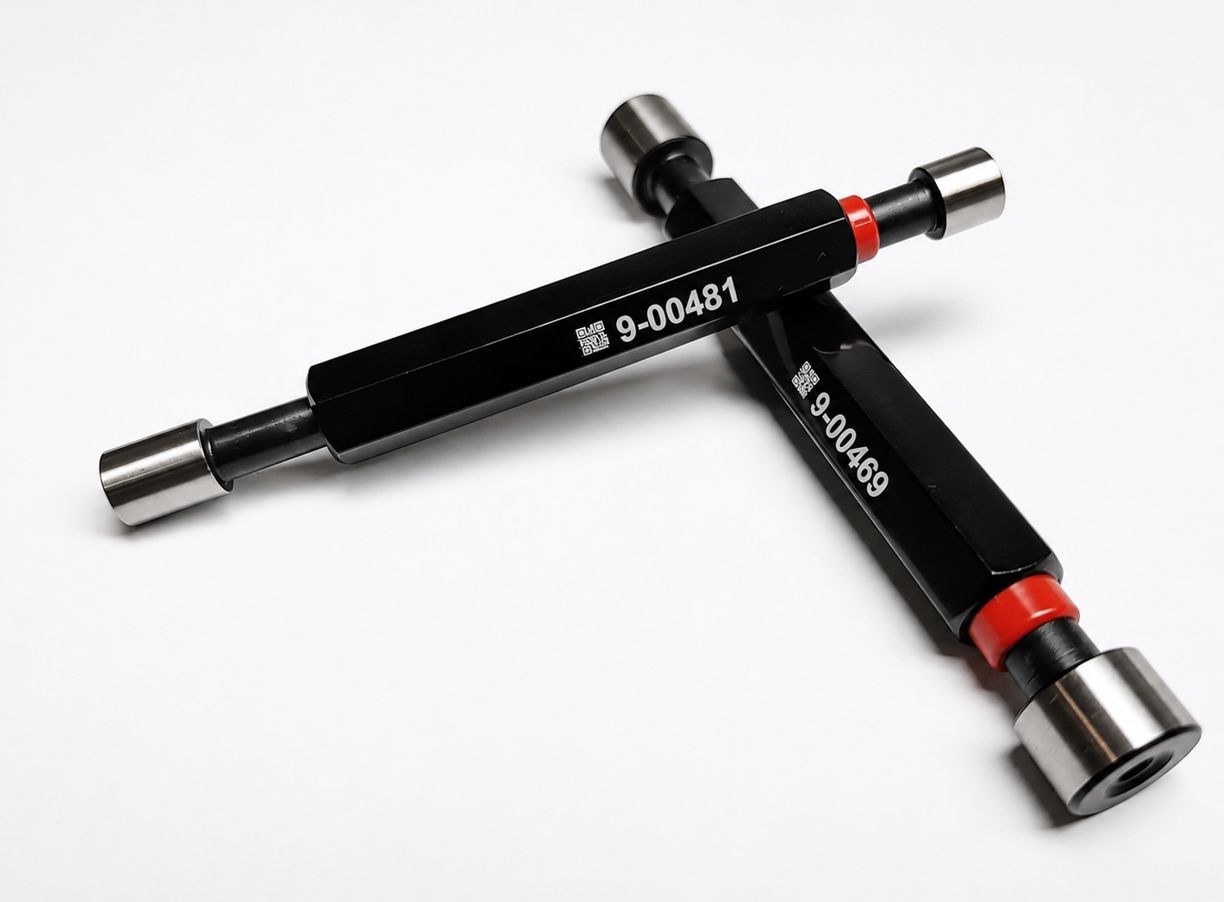
The most frequently calibrated testing tool at QMK doesn’t measure anything at all: the limit gauge. We explain the difference between measuring and gauging, how we calibrate limit gauges, and why a worn “good” gauge is so dangerous.
Calibrating Vernier Calipers: Setup, Procedure, and Practical Application | #100 Measuring Instruments No. 1
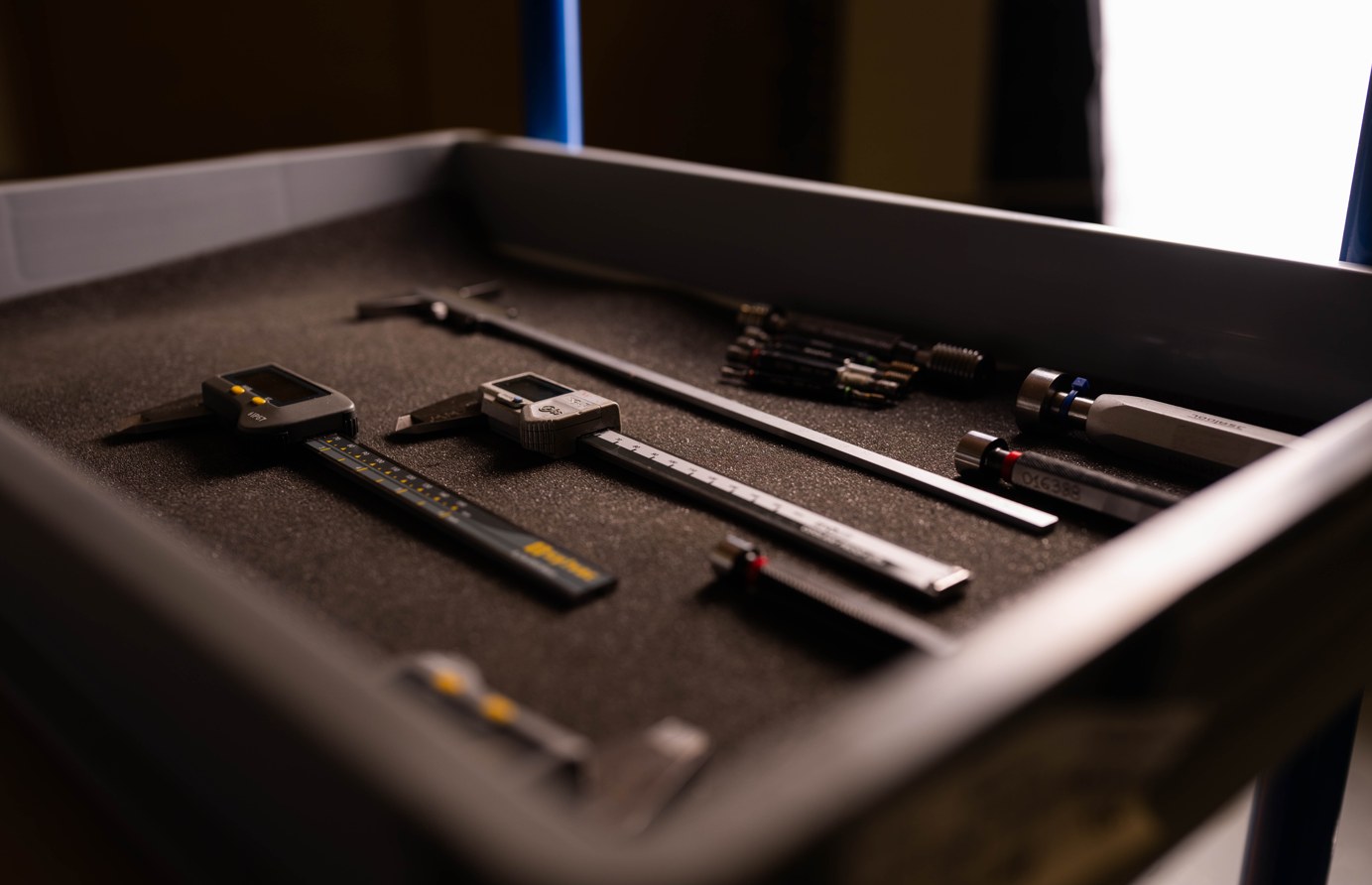
Calibrating Vernier Calipers—the Right Way: We explain their design and types, common sources of error, the calibration procedure according to VDI/VDE/DGQ 2618, and the appropriate calibration interval. Kickoff of our #100MeasuringInstruments series.